
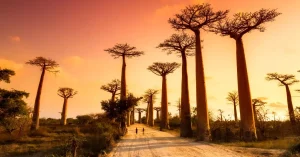
Madagascar is the kind of place that feels almost mythical when you first start researching it. Giant baobabs that look like they’ve been planted upside down. Limestone forests sharp as stone cathedrals. Rainforests echoing with the calls of lemurs found nowhere else on Earth.
But here’s the truth most glossy photos don’t tell you:
When you go to Madagascar matters — a lot.
Weather can affect everything from wildlife sightings to road access. A perfectly timed trip can feel seamless and magical. Poor timing can mean washed-out roads, closed parks, or missed experiences.
Madagascar isn’t just a destination you visit — it’s a place you experience differently depending on when you arrive.”
If you’re still mapping out your overall itinerary, start with The Complete Madagascar Travel Guide to understand how the regions fit together. And if this is your first time visiting, Madagascar travel tips for first-time visitors will help you avoid common logistical surprises.
let’s break it down month by month — so you can choose the timing that fits your travel style.
Understanding Madagascar’s Climate
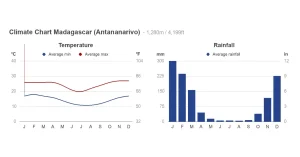
Madagascar’s climate isn’t one-size-fits-all. The island is huge, and weather varies dramatically by region. Still, there are two main seasons you should know:
Wet Season (November to April)
-
Hot, humid, and lush
-
Frequent heavy rains, especially on the east coast
-
Cyclone risk between January and March
-
Fewer tourists and lower prices
Dry Season (May to October)
-
Cooler, drier, and more predictable weather
-
Best wildlife viewing conditions
-
Peak tourist season (especially July–August)
-
Easier road travel in remote areas
Regional differences matter too. The east coast sees heavy rainfall, the west is sunnier and drier, the Central Highlands are cooler, and the south can feel almost desert-like year-round.
Madagascar Month-by-Month
January
January sits in the heart of the rainy season. Expect intense tropical downpours, high humidity, and possible cyclones, especially along the eastern coastline.
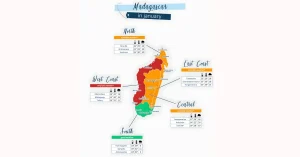
Some national parks may close due to flooding, and rural roads can become impassable. That said, landscapes are incredibly green and dramatic. Waterfalls are powerful, forests are alive, and photographers who don’t mind the rain can capture spectacular scenes.
If you’re visiting rainforest areas like Andasibe-Mantadia National Park, you’ll see vibrant plant life and active amphibians — though hiking between showers can be muddy.
Best for: budget travelers, landscape photography, adventurous spirits.
February
February continues the wet trend. This is typically the wettest and most cyclone-prone month.
Wildlife — particularly reptiles and amphibians — thrives in these conditions. If you’re visiting rainforest parks like Andasibe-Mantadia National Park, you may see active chameleons and frogs, though heavy rain can limit hiking time.
It’s not ideal for first-time visitors, but it can be rewarding for experienced travelers seeking solitude.
Best for: herpetology lovers, off-season deals.
March
March is unpredictable. Early in the month, rains may still be heavy, but by late March, conditions often begin to improve.
Tourism is still low, prices are reasonable, and landscapes remain vibrant green. Wildlife activity remains high, and birdwatching can be excellent.
It’s a shoulder month — imperfect but promising.
Best for: flexible travelers willing to adjust plans.
April
April is when Madagascar starts to shine.
Rain tapers off in many regions, roads become more accessible, and humidity drops. The countryside remains lush from months of rain, making it one of the most photogenic times to visit.
Wildlife viewing improves, hiking conditions get better, and you avoid peak-season crowds.
Best for: photographers, hikers, shoulder-season travelers.
May
May marks the official start of the dry season, and with it comes clearer skies and comfortable temperatures.
This is a fantastic time to explore the iconic Avenue of the Baobabs. The air is crisp, sunsets are dramatic, and travel conditions improve significantly across the country.
Wildlife spotting becomes easier as animals gather near remaining water sources.
Best for: classic Madagascar highlights, smooth travel logistics.
June
June brings stable dry weather throughout most of the island. Evenings can be cool, especially in higher-altitude areas.
This is a great month for trekking in Isalo National Park, where sandstone canyons, natural pools, and wide-open landscapes are at their most accessible.
Tourism starts picking up, but it’s not overwhelming yet.
Best for: hikers, road trips, national park exploration.
July
July is one of the busiest months — and for good reason.
Dry weather dominates, wildlife viewing is excellent, and humpback whales migrate past Île Sainte-Marie. Whale-watching tours are in full swing, and sightings are common.
Expect higher prices and book well in advance.
Best for: whale watching, families, wildlife lovers.
August
August continues peak dry-season conditions. Lemurs are easier to spot in western forests like Kirindy Forest, and skies remain clear across most regions.
It’s also one of the best months for multi-park itineraries since road access is reliable.
If you don’t mind crowds, August delivers near-perfect conditions.
Best for: comprehensive Madagascar itineraries.
September
September hits a sweet balance between ideal weather and slightly fewer crowds.
Beach conditions improve, especially around Nosy Be, where waters are calm and visibility is excellent for snorkeling and diving.
Temperatures begin to rise again, but humidity remains manageable.
Best for: combining wildlife with beach relaxation.
October
October is hot but excellent.
As water becomes scarcer in the wild, animals gather in visible areas, making wildlife encounters even more rewarding. It’s also a fantastic time to visit Tsingy de Bemaraha National Park, where dry conditions are essential for safely navigating the sharp limestone formations.
Humidity creeps in late in the month, signaling the upcoming rainy season.
Best for: adventurous travelers, dramatic scenery.
November
November marks the start of the wet season again.
Early in the month, conditions can still be manageable, but rainfall gradually increases. This is baby lemur season in some reserves, which adds a special charm to visits.
Tourism drops, and prices soften.
Best for: wildlife enthusiasts who don’t mind occasional rain.
December
December is hot, humid, and increasingly wet — especially toward the end of the month.
It’s popular with holiday travelers despite the weather. Landscapes begin turning green again, and the island feels vibrant and alive.
Expect mixed conditions: sunshine in the morning, downpours in the afternoon.
Best for: holiday escapes with flexible plans.
So, When Should You Go?
If you want the safest, most reliable window:
May to October is your best bet.
If you want fewer crowds but decent weather:
April, May, September, and early October are ideal.
If you’re traveling mainly for whale watching:
July to September is non-negotiable.
If you’re chasing budget deals and don’t mind rain:
January to March offers the lowest prices — but requires flexibility.
“In Madagascar, the calendar doesn’t just mark time — it shapes the adventure.”
Final Thoughts
Madagascar isn’t polished or predictable — and that’s part of its magic. Weather can shape your trip dramatically, especially in remote areas where infrastructure is limited.
Plan according to what matters most to you: wildlife encounters, empty beaches, dramatic landscapes, or smooth logistics.