5 Best Beaches Near Antananarivo: Where to Relax by the Sea in Madagascar

Best Beaches Near Antananarivo

Antananarivo, often called Tana, sits in the heart of Madagascar’s highlands. While the capital city is rich in culture, markets, and history, it’s far from the ocean. That’s why many locals and travelers plan short getaways to the coast when they need sunshine, sea breeze, and a peaceful escape.

The good news is that Madagascar offers some truly beautiful beaches within reachable distance of the capital. Whether you’re planning a weekend trip, a family vacation, or simply dreaming of warm sand and clear water, there are several coastal destinations worth exploring.

Here are some of the best beaches near Antananarivo that combine natural beauty, relaxation, and unforgettable scenery.

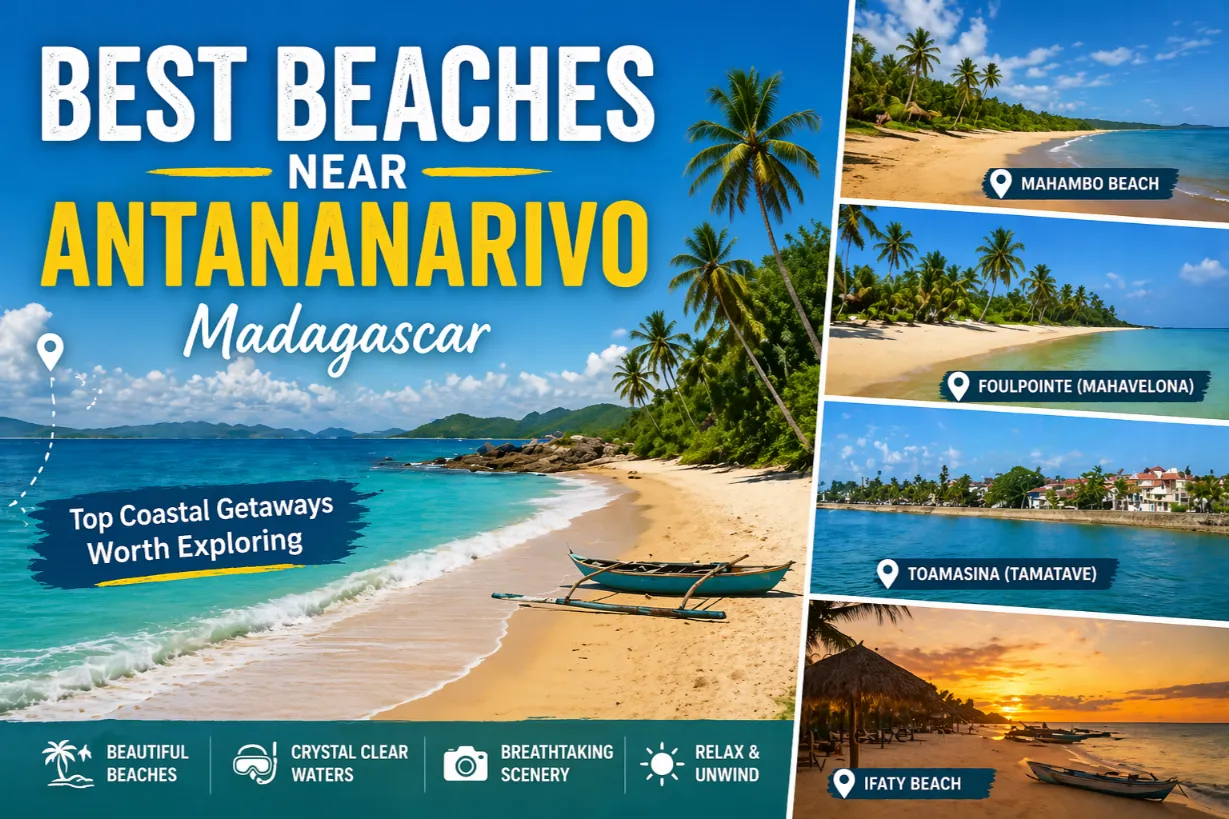
1. Mahambo Beach

Distance from Antananarivo: About 10–12 hours by road

Mahambo Beach is one of the most popular seaside destinations for people traveling from the capital. Located on Madagascar’s east coast, it offers a relaxed atmosphere with long stretches of sandy shoreline and gentle ocean waves.

This beach is known for its laid-back vibe, making it perfect for travelers who want to unwind without crowds. It’s also a favorite spot for beginner surfers and beach lovers who enjoy simple coastal living.

Why visit Mahambo Beach:

  • Peaceful, uncrowded environment
  • Great for surfing and swimming
  • Beautiful sunrise views
  • Authentic local beach culture

Mahambo is ideal for a long weekend trip when you want to disconnect from city life and reconnect with nature.

2. Foulpointe (Mahavelona)

Distance from Antananarivo: Around 8–9 hours by road

Foulpointe, also known as Mahavelona, is often considered the easiest beach to reach from the capital. Its calm waters and natural coral reef make it safer for swimming compared to many other coastal areas.

Families especially love this destination because the water is shallow and the beach is easy to explore. The historic fort nearby also adds a cultural touch to the visit.

Highlights of Foulpointe:

  • Calm, family-friendly waters
  • Scenic palm-lined coastline
  • Historical attractions
  • Ideal for swimming and relaxation

If you’re planning your first beach trip from Antananarivo, Foulpointe is usually the top recommendation.

3. Toamasina (Tamatave)

Distance from Antananarivo: About 8 hours by road

Toamasina is Madagascar’s main port city and a vibrant coastal destination. While it’s busier than other beach towns, it offers a mix of urban energy and seaside relaxation.

Visitors can enjoy seafood restaurants, waterfront promenades, and nearby beaches. It’s also a convenient base for exploring the eastern coast.

What makes Toamasina special:

  • Active city atmosphere
  • Plenty of hotels and restaurants
  • Easy transportation options
  • Access to nearby beaches

Toamasina is perfect for travelers who want both beach time and city amenities.

4. Ifaty Beach

Distance from Antananarivo: Requires a domestic flight plus road travel

Ifaty is one of Madagascar’s most beautiful beach destinations, known for its white sand, turquoise water, and coral reefs. Although it’s farther from the capital, the scenery makes the journey worthwhile.

This area is famous for snorkeling, diving, and watching spectacular sunsets over the Mozambique Channel.

Top reasons to visit Ifaty:

  • Crystal-clear water
  • Excellent snorkeling and diving
  • Peaceful coastal villages
  • Incredible sunset views

Ifaty is a great choice for travelers planning a longer vacation or honeymoon.

5. Nosy Be

Distance from Antananarivo: About 1–2 hours by flight

Nosy Be is widely considered the top beach destination in Madagascar. Known as the “Perfume Island,” it features pristine beaches, luxury resorts, and warm tropical weather year-round.

Although it requires a flight from the capital, the island offers a true tropical paradise experience.

Why travelers love Nosy Be:

  • World-class beaches
  • Clear turquoise water
  • Water sports and boat tours
  • Vibrant nightlife and resorts

Nosy Be is ideal for travelers seeking a premium beach holiday.

Best Time to Visit Beaches Near Antananarivo

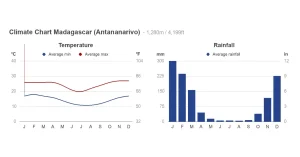
The best months for beach travel in Madagascar are:

April to November

During this period, the weather is generally dry, sunny, and comfortable for outdoor activities. The rainy season typically runs from December to March, which can make travel more challenging.

Travel Tips for Visiting Beaches from Antananarivo

Planning ahead can make your beach trip smoother and more enjoyable.

Helpful tips:

  • Start early when traveling by road
  • Book accommodations in advance
  • Carry sunscreen and insect repellent
  • Check weather conditions before departure
  • Allow extra travel time during rainy season

Madagascar’s roads can be slow, so patience and preparation are important.

Living or staying in Antananarivo doesn’t mean missing out on beautiful beaches. From the calm waters of Foulpointe to the tropical charm of Nosy Be, there are plenty of coastal destinations to explore. Each beach offers a unique experience, whether you want relaxation, adventure, or a scenic getaway.

With a bit of planning, your next beach escape from the capital can become one of your most memorable travel experiences.
Luxury beach holidays in Madagascar

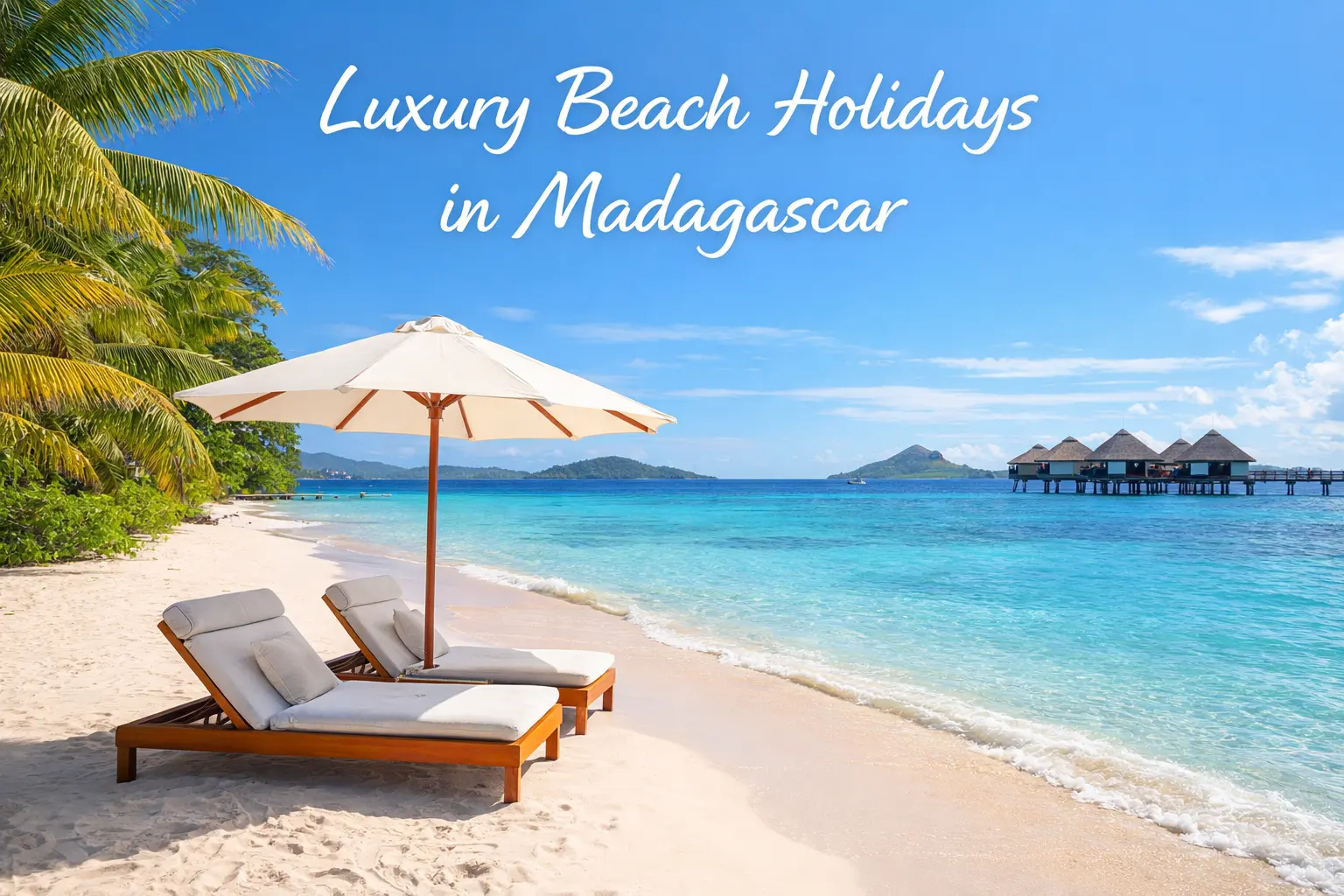
Luxury Beach Holidays in MadagascarWhen people think about luxury beach holidays, destinations like the Maldives or Seychelles often come to mind. Yet there is another island quietly winning the hearts of travellers who want something more authentic, less crowded, and deeply memorable. Madagascar offers exactly that — a rare blend of wild beauty, warm hospitality, and truly peaceful beaches.
A luxury beach holiday in Madagascar is not just about staying in a beautiful resort. It is about waking up to the sound of the ocean, walking along powdery white sand with hardly another person in sight, and feeling connected to nature in a way that feels both calming and refreshing. If you are searching for a destination that feels exclusive yet natural, Madagascar deserves a place on your travel list.

Why Madagascar Is Perfect for a Luxury Beach Escape

Madagascar sits off the southeast coast of Africa and is one of the world’s most unique islands. Its coastline stretches for thousands of kilometres, offering pristine beaches, turquoise waters, and coral reefs that remain largely untouched by mass tourism.

What makes Madagascar special is the sense of discovery. Even in luxury settings, the island feels raw and natural rather than overly polished. You can enjoy five-star comfort while still experiencing the authentic charm of local culture and landscapes.

Travellers often choose Madagascar because it offers:

  • Secluded beaches with very few crowds
  • High-end resorts surrounded by nature
  • Rich marine life and colourful coral reefs
  • Warm tropical weather throughout most of the year
  • A peaceful atmosphere ideal for relaxation

It is the kind of destination where time slows down, allowing you to truly unwind.

The Beaches That Define Luxury in Madagascar

Not all beaches are the same, and Madagascar has several coastal regions that stand out for their beauty and comfort. Each one offers a slightly different experience, from lively island resorts to quiet, romantic hideaways.

Nosy Be

Nosy Be is the most popular luxury beach destination in Madagascar, and for good reason. Known as the “Island of Perfumes” because of its fragrant ylang-ylang plantations, this tropical paradise combines natural beauty with excellent hospitality.

The beaches here are soft and golden, the sea is warm and clear, and the sunsets are simply unforgettable. Many upscale resorts offer private villas, spa treatments, and guided excursions, making it perfect for couples and honeymooners.

You can spend your days:

  • Swimming in crystal-clear water
  • Enjoying fresh seafood by the beach
  • Taking boat trips to nearby islands
  • Watching dolphins and whales in season

Île Sainte-Marie

If you are looking for peace and privacy, Île Sainte-Marie is a wonderful choice. This slender island on Madagascar’s east coast feels calm and intimate, with long stretches of quiet shoreline and charming boutique hotels.

Between July and September, the island becomes one of the best places in the world to see humpback whales. Watching these majestic creatures from the comfort of a small boat is an experience that stays with you forever.

This destination is ideal for:

  • Romantic getaways
  • Honeymoon trips
  • Nature lovers
  • Travellers who prefer a slower pace

Anakao

For travellers who want something truly off the beaten path, Anakao offers a sense of adventure mixed with comfort. The beaches here are wide, clean, and wonderfully uncrowded.

Luxury lodges in this area focus on eco-friendly design, blending modern comfort with respect for the environment. It is a place where you can enjoy simple pleasures — the sound of waves, the warmth of the sun, and the beauty of untouched nature.

Activities often include:

  • Snorkelling and diving
  • Fishing trips with local guides
  • Exploring nearby marine reserves
  • Relaxing in peaceful beachside settings

What Luxury Looks Like in Madagascar

Luxury in Madagascar is not always about towering hotels or busy nightlife. Instead, it is about space, privacy, and connection to nature. Many resorts are designed to feel like small retreats, offering personalised service and stunning surroundings.

You might find:

  • Private beachfront villas
  • Outdoor showers with ocean views
  • Fresh, locally sourced cuisine
  • Spa treatments using natural ingredients
  • Personalised excursions and guided tours

The focus is on comfort without losing the island’s natural character. It feels relaxed rather than formal, which many travellers appreciate.

Experiences That Make the Holiday Unforgettable

A luxury beach holiday in Madagascar goes beyond sunbathing. The island offers a range of experiences that add depth and excitement to your stay.

Snorkelling and Diving

Madagascar’s coral reefs are rich with marine life, from colourful fish to sea turtles. Even beginners can enjoy snorkelling in calm, shallow waters.

Island Hopping

Short boat rides can take you to smaller islands with hidden beaches and quiet lagoons. These day trips often feel like private adventures.

Wildlife Encounters

Madagascar is famous for its unique wildlife, including lemurs found nowhere else on Earth. Many travellers combine beach relaxation with short nature excursions.

Sunset Cruises

Few experiences feel more luxurious than sailing along the coast as the sun dips below the horizon. The sky turns shades of orange and pink, creating a perfect ending to the day.

The Best Time to Plan Your Beach Holiday

Madagascar enjoys a tropical climate, but certain months offer more comfortable conditions for beach holidays.

The most popular travel period is typically from May to October, when the weather is warm, dry, and pleasant. During these months, the sea is calm, and outdoor activities are more enjoyable.

If whale watching is on your list, aim for July to September, when humpback whales migrate along the coast.

Tips for Planning a Smooth Luxury Holiday

A little preparation can make your trip even more enjoyable. Here are a few simple tips to keep in mind:

  • Book your resort well in advance, especially during peak travel seasons
  • Choose travel insurance for peace of mind
  • Pack lightweight clothing and sun protection
  • Carry some local currency for small purchases
  • Allow time to relax rather than over-scheduling activities

Luxury travel is not just about where you stay — it is about how comfortable and stress-free the experience feels.

A Destination That Feels Truly Special

Luxury beach holidays in Madagascar offer something rare in today’s busy travel world — genuine tranquillity. The island combines beautiful scenery, welcoming people, and a sense of adventure that makes every moment feel meaningful.

Whether you are planning a honeymoon, a romantic escape, or simply a break from everyday life, Madagascar provides the perfect setting to slow down and enjoy life at a gentler pace. It is not just a holiday destination; it is an experience that stays with you long after you return home.

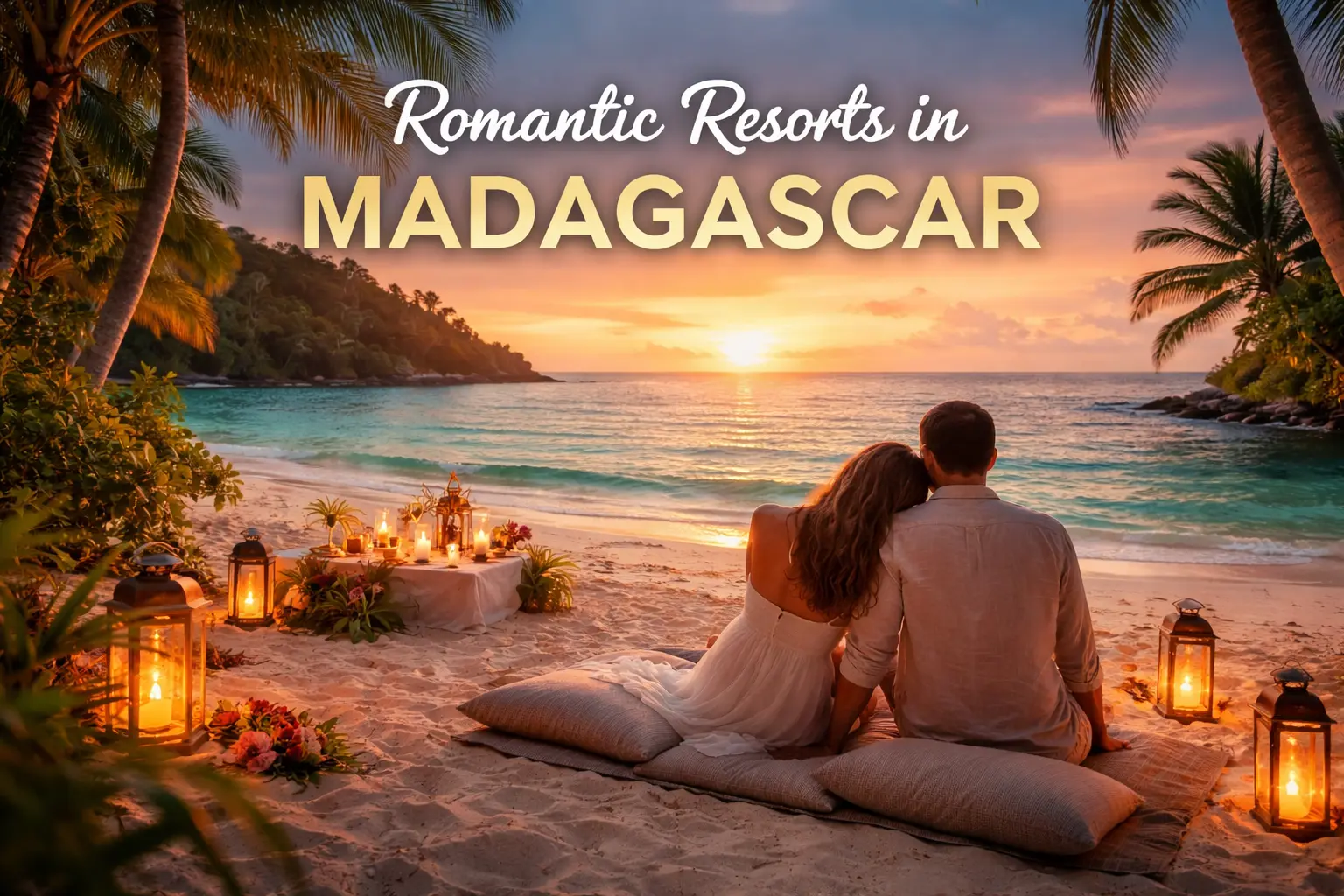
Romantic Resorts in Madagascar

Romantic Resorts in MadagascarThere’s something quietly magical about choosing a destination that isn’t on everyone else’s list. Somewhere that feels a little wild, a little untouched—and completely yours. That’s exactly what Madagascar offers.
It’s not the kind of place you stumble into by chance. You choose it. And for couples, that choice often turns into something unforgettable.

From soft, empty beaches to lush forests humming with life, Madagascar doesn’t just set the scene for romance—it deepens it. If you’re dreaming of a getaway that feels personal, intimate, and far removed from the usual tourist trail, this island might just be the one.

Why Madagascar Feels So Different

Most romantic destinations come with crowds, queues, and overbooked sunsets. Madagascar is different. It’s quieter. Slower. More real.

Here, you’ll find stretches of beach where it’s just the two of you, the sound of waves, and nothing else. The air feels warmer, not just in temperature, but in atmosphere. It invites you to slow down, to take your time, and to truly be present with each other.

There’s also something special about its raw beauty. One moment you’re walking along a palm-lined shore, the next you’re exploring dense greenery filled with wildlife found nowhere else on earth. It keeps things exciting without ever feeling overwhelming.

What Makes a Stay Truly Romantic

Romance isn’t about grand gestures every minute—it’s about the little details that make you feel connected.

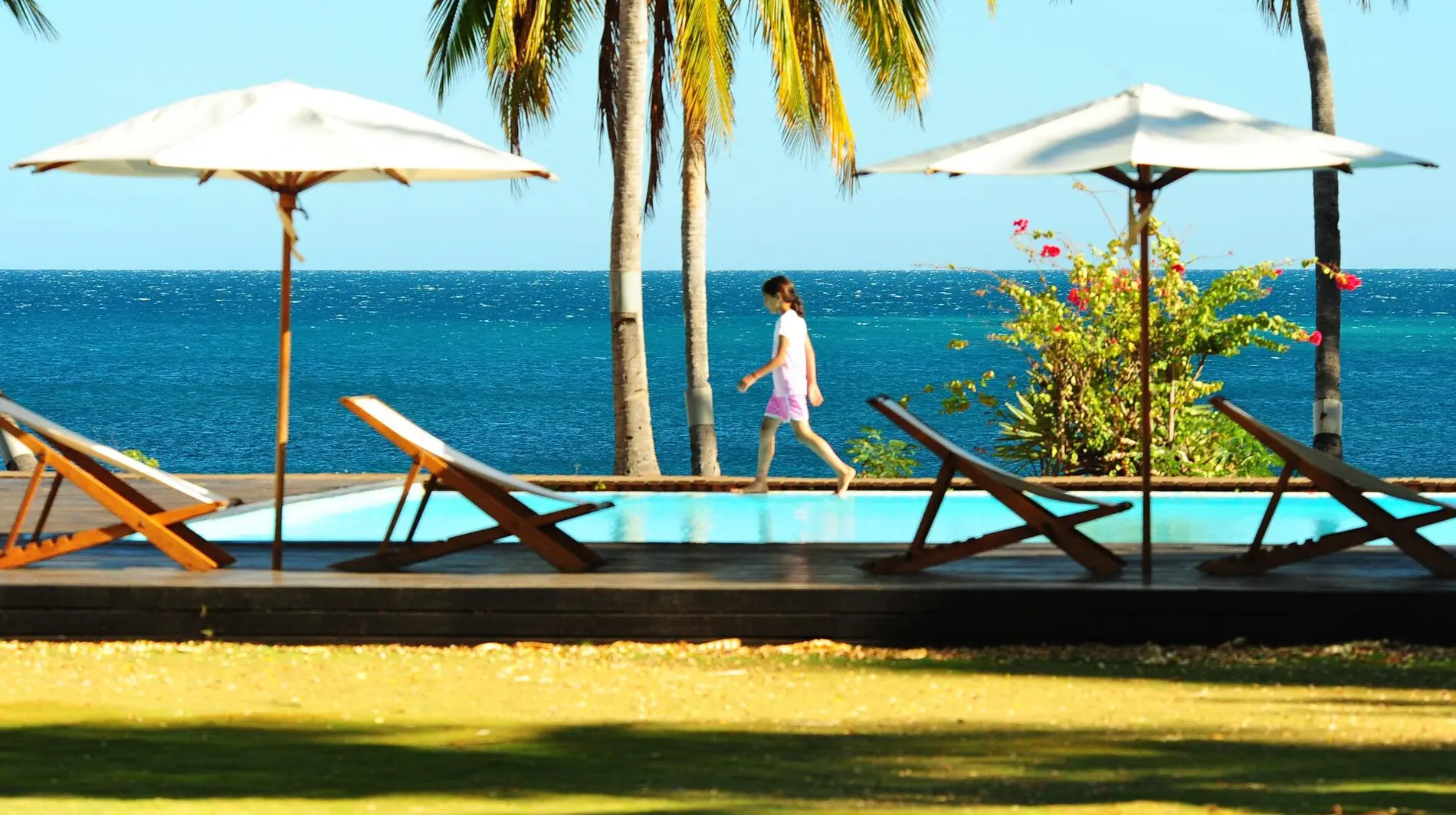
In Madagascar, many resorts understand this beautifully. It’s the privacy of a villa tucked away from the world. It’s breakfast served with an ocean view, just for you. It’s the gentle knock on your door before a candlelit dinner set up on the sand.

There’s a sense that everything is designed to give you space—not just physically, but emotionally too. And that’s what makes the experience feel so personal.

Where to Stay for That Perfect Escape

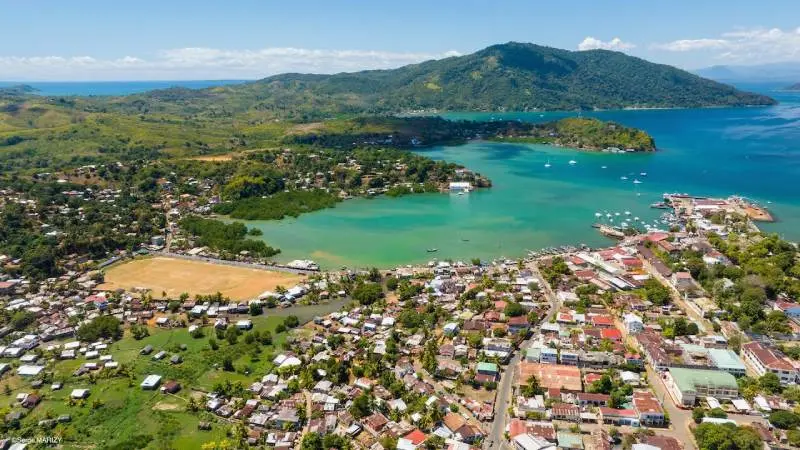
Nosy Be

nosy-be-madagascar

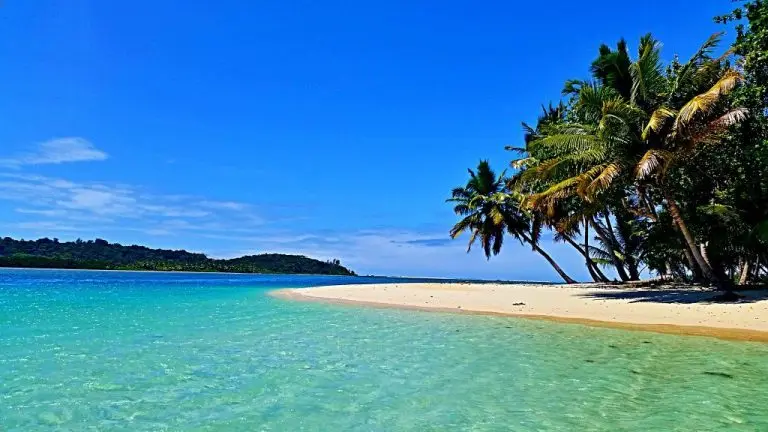
Nosy Be is often the first choice for couples, and it’s easy to see why. The beaches are stunning, the water is clear, and the sunsets seem to linger just a little longer than usual.

Yet despite its popularity, it still manages to feel relaxed. You can spend your days swimming, enjoying fresh seafood, or simply doing nothing at all—together.

Île Sainte-Marie

Île Sainte-Marie

If your idea of romance leans more towards peace and privacy, this island is a dream.

Life moves gently here. There are no rush hours, no loud crowds—just calm beaches and soft sea breezes. It’s the kind of place where long walks turn into long conversations, and time seems to stretch in the best possible way.

Anjajavy

Anjajavy 

For couples who want something truly unique, Anjajavy offers a rare blend of wilderness and comfort.

Imagine staying in a secluded lodge surrounded by nature, where you can spot wildlife during the day and enjoy fine dining by night. It’s remote, yes—but that’s exactly what makes it feel so special. It’s just you, your partner, and a world that feels entirely separate from everyday life.

The Moments You’ll Remember Most

What stays with you after a trip like this isn’t just the place—it’s the moments you share there.

A quiet walk along the beach as the sky turns golden.
A private dinner with the sound of waves in the background.
Diving into clear waters, laughing as you try to spot colourful fish.
Or simply sitting side by side, saying nothing at all—because you don’t need to.

Madagascar has a way of turning simple experiences into meaningful ones.

When to Go for the Best Experience

Timing can make all the difference. The best months to visit are generally between May and October, when the weather is pleasant and dry. It’s perfect for beach days and exploring without interruption.

If you’re lucky enough to visit between July and September, you might even catch a glimpse of whales off the coast—an experience that feels nothing short of magical.

A Few Simple Tips Before You Go

Planning a romantic escape here doesn’t need to be complicated, but a few thoughtful choices can make it even better.

Book your stay in advance, especially if you’re eyeing a private villa.
Pack light, breathable clothing and don’t forget sun protection.
Consider resorts that offer personalised experiences—it’s often those little extras that make the biggest difference.

And most importantly, come with an open mind. Madagascar isn’t about perfection—it’s about authenticity.

Final Thoughts

Not every romantic getaway needs to be extravagant. Sometimes, the most meaningful ones are the places that feel genuine, peaceful, and just a little bit hidden from the world.

Madagascar offers exactly that. It’s not just a destination—it’s an experience that brings you closer, not only to nature, but to each other.

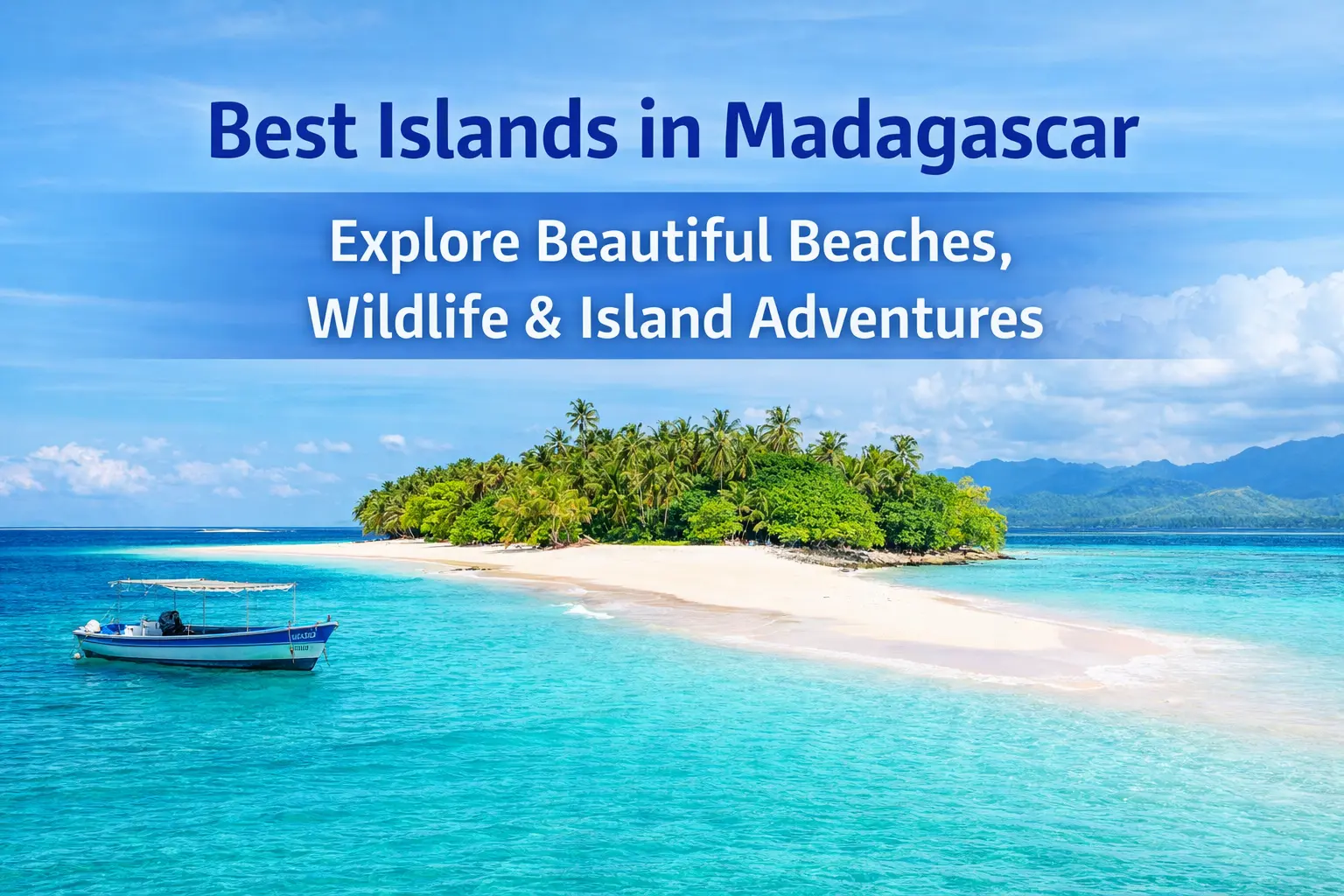
Best Islands in Madagascar

Best Islands in Madagascar

Madagascar is already famous for being one of the most unique islands on Earth. Its wildlife, landscapes, and culture feel unlike anywhere else. But what many travellers don’t realise is that the country is surrounded by smaller islands that are just as magical—if not more.

These islands offer crystal-clear waters, quiet beaches, colourful coral reefs, and small local communities where life moves at a gentle pace. Whether you love snorkelling, wildlife, or simply relaxing by the sea, the islands around Madagascar provide unforgettable experiences.

Here are some of the best islands in Madagascar that deserve a place on your travel list.

Why Explore the Islands Around Madagascar

While mainland Madagascar is full of national parks and forests, the surrounding islands provide a completely different experience. They are perfect for travellers who want a mix of adventure and relaxation.

The waters around these islands are rich with marine life, making them excellent for snorkelling and diving. Some islands are also famous for whale watching, while others are known for their quiet beaches and small fishing villages.

Another reason these islands are special is their biodiversity. Just like the mainland, many species here cannot be found anywhere else in the world. From lemurs to sea turtles, nature lovers will find plenty to admire.

Nosy Be – Madagascar’s Most Popular Island

When people talk about Madagascar’s island destinations, Nosy Be usually comes first. Located off the northwest coast of the country, it is the most developed tourist island and a great starting point for exploring the region.

What Makes Nosy Be Special

Nosy Be is often called the “Perfume Island.” This nickname comes from the fragrant plantations of ylang-ylang, vanilla, and coffee that grow across the island. As you travel around, you’ll often notice a sweet scent in the air.

The island also has a lively atmosphere with beach resorts, restaurants, and markets where visitors can experience local Malagasy culture.

Top Things to Do

One of the most popular activities is watching the sunset from Mount Passot. The view over the lakes and ocean is truly beautiful. Snorkelling and scuba diving are also highlights, thanks to the vibrant coral reefs and tropical fish.

Visitors can also enjoy fresh seafood, explore small villages, and take boat trips to nearby islands.

Île Sainte-Marie – A Historic Island Escape

Located off Madagascar’s east coast, Île Sainte-Marie is a peaceful island with a fascinating past. It is also known as Nosy Boraha by locals.

A Glimpse Into Pirate History

In the 17th and 18th centuries, this island was a popular hideout for pirates. Many famous pirates used the island as a base because of its sheltered bays.

Today, travellers can visit one of the world’s few pirate cemeteries, which adds an intriguing historical touch to the island.

Natural Experiences

Île Sainte-Marie is one of the best places in the world to watch humpback whales. Between July and September, these giant creatures migrate through the waters around the island.

Aside from whale watching, visitors enjoy cycling through small villages, relaxing on quiet beaches, and exploring the island’s lush landscapes.

Nosy Komba – The Island of Lemurs

Nosy Komba sits between Nosy Be and mainland Madagascar and is often visited as part of an island-hopping trip.

Wildlife Encounters

The island is famous for its friendly lemurs, which sometimes approach visitors in search of fruit. Walking through the forests here gives travellers the chance to see these fascinating animals up close.

Village Life

Nosy Komba does not have large resorts or busy towns. Instead, it offers small villages where people live traditional Malagasy lifestyles.

Local markets sell handmade crafts, embroidered cloth, and wood carvings. Buying these items supports the island’s small communities.

Nosy Iranja – The Island With the Famous Sandbar

Nosy Iranja is one of the most photographed islands in Madagascar, and it’s easy to see why.

Stunning Natural Beauty

The island actually consists of two small islands connected by a long white sandbank. During low tide, visitors can walk across this sandbar while surrounded by turquoise water.

The scenery feels almost unreal, with clear water, white sand, and endless ocean views.

Activities to Enjoy

Snorkelling around the reefs is excellent here, with colourful fish and coral gardens beneath the surface.

The island is also an important nesting site for sea turtles, making it an exciting destination for wildlife lovers.

Nosy Mitsio – A Hidden Gem for Adventure

For travellers who want somewhere quieter and less touristy, Nosy Mitsio is a fantastic choice.

Dramatic Landscapes

The island is known for its striking rock formations, cliffs, and remote beaches. Some areas feel almost untouched, giving visitors the sense of discovering a secret paradise.

Ideal for Divers and Explorers

The surrounding waters offer some of the best diving in the region. Coral reefs are healthy and full of marine life, from colourful fish to larger ocean species.

Because it is less crowded than other islands, Nosy Mitsio is perfect for travellers looking for a peaceful escape.

Nosy Tanikely – A Marine Paradise

Nosy Tanikely is a small island but one of the most important marine reserves near Madagascar.

Protected Marine Reserve

The island is surrounded by protected waters that help preserve its coral reefs and marine life. Because of this protection, the underwater world here is incredibly vibrant.

Marine Life to See

Snorkellers often spot sea turtles, clownfish, and many other colourful species just a short distance from the shore.

Even beginners can enjoy snorkelling here, as the water is usually calm and clear.

Nosy Sakatia – A Peaceful Island Retreat

Nosy Sakatia is much quieter than nearby Nosy Be, making it perfect for travellers who want to slow down and relax.

A Calm Alternative

The island has only a few eco-lodges and guesthouses, creating a peaceful atmosphere far from busy tourist areas.

Nature Highlights

Visitors often swim with sea turtles in the surrounding waters, while the island itself is covered with lush greenery and tropical plants.

It’s an ideal place for long walks, swimming, and enjoying nature.

The best time to visit Madagascar’s islands is during the dry season from May to October. During these months, the weather is sunny and comfortable, making it ideal for beach activities and island hopping.

If whale watching is on your bucket list, plan your visit between July and September, when humpback whales migrate through the region.

The rainy season, from November to April, can bring heavy showers and occasional cyclones, so travel plans may be affected during this time.

Travel Tips for Visiting Madagascar’s Islands

Island hopping around Madagascar is an unforgettable experience, but a little preparation helps make the trip smoother.

Transportation between islands is usually by small boats or ferries, especially from Nosy Be. It’s a good idea to plan routes in advance and check weather conditions.

Packing light clothing, reef-safe sunscreen, and snorkelling gear is recommended. Respecting local communities and protecting wildlife is also important when visiting these fragile ecosystems.

Final Thoughts

Madagascar’s surrounding islands offer some of the most beautiful and diverse travel experiences in the Indian Ocean. From lively destinations like Nosy Be to peaceful retreats like Nosy Sakatia, each island has its own charm and character.

Whether you want to explore coral reefs, watch whales, encounter lemurs, or simply relax on quiet beaches, these islands provide a perfect escape into nature.

For travellers seeking something truly special, the islands of Madagascar are destinations that leave lasting memories long after the journey ends.

Private vs group tours in Madagascar

Private vs group tours in Madagascar

Madagascar is one of those destinations that feels truly different from anywhere else in the world. From rare wildlife and lush rainforests to dramatic landscapes and remote villages, the island offers experiences you simply cannot find elsewhere. Because of its unique geography and sometimes challenging travel logistics, most visitors explore the country through organized tours rather than traveling completely independently.

When planning your adventure, one important decision you’ll need to make is whether to choose a private tour or a group tour in Madagascar. Both options offer their own advantages and can shape your travel experience in very different ways. Understanding the differences can help you choose the option that best fits your travel style, budget, and expectations.

Understanding Tour Styles in Madagascar

Traveling around Madagascar can be very different from visiting more developed tourist destinations. Roads between cities and national parks can be long and sometimes rough, and many of the most beautiful areas are located far from major urban centers.

Because of this, most travelers rely on guided tours that include a driver, guide, and pre-arranged accommodations. Tour operators usually organize everything from transportation and park visits to local guides and lodging. This makes exploring the country much smoother and allows visitors to focus on enjoying the experience rather than worrying about logistics.

Within these guided travel options, tours generally fall into two main categories: private tours and group tours.

Private Tour Means?

Private tours in Madagascar

A private tour is designed specifically for you and your travel companions. Instead of joining a scheduled itinerary with other travelers, you have your own guide, driver, and vehicle throughout the journey.

This type of tour allows you to travel at your own pace and often gives you the opportunity to customize parts of the itinerary. Whether you are traveling as a couple, a family, or a small group of friends, private tours offer a more personalized travel experience.

Key Advantages of Private Tours

One of the biggest advantages of private tours is flexibility. If you want to spend more time watching lemurs in a rainforest, stop for photos along the road, or adjust your daily schedule, it is much easier to do so when the tour is tailored to you.

Private tours also provide a greater level of comfort and privacy. You do not have to share transportation with strangers, and your schedule is not influenced by the preferences of a larger group.

Another benefit is the personal attention from your guide. Guides can adapt explanations and activities based on your interests, whether you are passionate about wildlife, photography, or learning about Malagasy culture.

Possible Downsides

The main drawback of private tours is the higher cost. Since the vehicle, guide, and services are dedicated exclusively to your group, the price per person is usually higher compared to group tours.

However, many travelers feel that the added comfort, flexibility, and personalized experience make the investment worthwhile.

Group Tour Means?

Group tours in Madagascar

Group tours are organized trips where several travelers join the same itinerary. These tours operate on fixed departure dates and follow a planned route across the island.

Participants share transportation, guides, and sometimes activities, which allows the overall cost to be distributed among the group.

Group tours can be a great option for travelers who enjoy meeting new people and prefer a structured travel plan.

Benefits of Group Tours

One of the biggest advantages of group tours is affordability. Because expenses like transportation and guides are shared among several travelers, the cost per person is usually lower.

Group tours also create opportunities for social interaction. Traveling with others can lead to new friendships, shared experiences, and memorable moments during the trip.

Additionally, group tours are typically well-organized and easy to book. The itinerary is already planned, which makes travel preparation simpler.

Limitations to Consider

While group tours are convenient, they usually offer less flexibility. The itinerary, timing, and activities are planned in advance, so changes during the trip may not be possible.

Another consideration is that the travel pace may not suit everyone. Some travelers prefer more time at certain locations, while others might want to move faster. In a group setting, the schedule must accommodate everyone.

Comparing Private and Group Tours

Both tour types can provide incredible experiences in Madagascar, but they offer different styles of travel.

Cost

Group tours are generally more budget-friendly because expenses are shared among multiple participants. Private tours cost more but provide a more personalized experience.

Flexibility

Private tours offer significantly more flexibility. You can adjust schedules, spend more time at locations you love, and travel at your own pace. Group tours follow fixed itineraries and departure times.

Overall Experience

Private tours tend to feel more immersive and relaxed, while group tours create a social atmosphere where travelers can connect and share experiences.

Wildlife and Photography Opportunities

Madagascar is famous for its unique wildlife, including lemurs, chameleons, and rare birds. With a private tour, you may have more freedom to stop for wildlife sightings or photography. Group tours may have limited time at certain spots due to schedule constraints.

Which Tour Option Is Best for Different Travelers?

Choosing between a private or group tour often depends on your travel preferences.

Best for Couples and Families

Private tours are often ideal for couples and families. They offer privacy, flexibility, and the ability to customize the experience based on personal interests.

Best for Solo Travelers

Group tours can be a great choice for solo travelers who want to meet new people while exploring Madagascar. They also help reduce costs since expenses are shared among the group.

Best for Adventure Travelers

Travelers who want to explore remote areas or create a unique itinerary may find private tours more suitable. The flexibility allows for deeper exploration of Madagascar’s natural landscapes.

Popular Destinations Included in Most Tours

Whether you choose a private or group tour, many itineraries include some of Madagascar’s most remarkable locations.

National parks and protected areas are major highlights. Places known for rainforests, rare wildlife, and unique ecosystems attract nature lovers from around the world.

Travelers also visit scenic regions with dramatic rock formations, tropical beaches, and charming coastal towns. Each region offers something different, from wildlife encounters to relaxing seaside views.

Tips for Choosing the Right Tour in Madagascar

Before booking your trip, it’s helpful to think about what kind of experience you want.

Start by considering your budget and travel priorities. If flexibility and privacy are important to you, a private tour might be the best option.

If you enjoy social travel and want a more affordable way to explore the island, a group tour could be the perfect fit.

It’s also important to choose a reliable tour operator with experienced guides and well-planned itineraries. This ensures your journey runs smoothly and allows you to fully enjoy everything Madagascar has to offer.

Final Thoughts

Madagascar is an extraordinary destination filled with natural wonders, rare wildlife, and unforgettable landscapes. Whether you choose a private tour or a group tour, both options offer fantastic ways to discover the island.

Private tours provide flexibility, comfort, and a more personalized journey, while group tours offer affordability and the chance to meet fellow travelers.

By choosing the option that best suits your travel style, you can create an experience that turns your Madagascar trip into a truly memorable adventure.

Best Time to Visit Madagascar (Month-by-Month Guide)

Best Time to Visit Madagascar

Madagascar is the kind of place that feels almost mythical when you first start researching it. Giant baobabs that look like they’ve been planted upside down. Limestone forests sharp as stone cathedrals. Rainforests echoing with the calls of lemurs found nowhere else on Earth.

But here’s the truth most glossy photos don’t tell you:

When you go to Madagascar matters — a lot.

Weather can affect everything from wildlife sightings to road access. A perfectly timed trip can feel seamless and magical. Poor timing can mean washed-out roads, closed parks, or missed experiences.

Madagascar isn’t just a destination you visit — it’s a place you experience differently depending on when you arrive.”

If you’re still mapping out your overall itinerary, start with The Complete Madagascar Travel Guide to understand how the regions fit together. And if this is your first time visiting, Madagascar travel tips for first-time visitors will help you avoid common logistical surprises.

let’s break it down month by month  — so you can choose the timing that fits your travel style.

Understanding Madagascar’s Climate

Understanding Madagascar’s Climate

Madagascar’s climate isn’t one-size-fits-all. The island is huge, and weather varies dramatically by region. Still, there are two main seasons you should know:

Wet Season (November to April)

  • Hot, humid, and lush

  • Frequent heavy rains, especially on the east coast

  • Cyclone risk between January and March

  • Fewer tourists and lower prices

Dry Season (May to October)

  • Cooler, drier, and more predictable weather

  • Best wildlife viewing conditions

  • Peak tourist season (especially July–August)

  • Easier road travel in remote areas

Regional differences matter too. The east coast sees heavy rainfall, the west is sunnier and drier, the Central Highlands are cooler, and the south can feel almost desert-like year-round.

Madagascar Month-by-Month

January

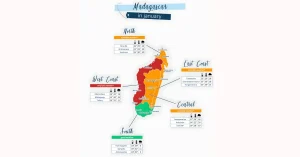
January sits in the heart of the rainy season. Expect intense tropical downpours, high humidity, and possible cyclones, especially along the eastern coastline.

Best Time to Visit Madagascar (2)

Some national parks may close due to flooding, and rural roads can become impassable. That said, landscapes are incredibly green and dramatic. Waterfalls are powerful, forests are alive, and photographers who don’t mind the rain can capture spectacular scenes.

If you’re visiting rainforest areas like Andasibe-Mantadia National Park, you’ll see vibrant plant life and active amphibians — though hiking between showers can be muddy.

Best for: budget travelers, landscape photography, adventurous spirits.

February

February continues the wet trend. This is typically the wettest and most cyclone-prone month.

Wildlife — particularly reptiles and amphibians — thrives in these conditions. If you’re visiting rainforest parks like Andasibe-Mantadia National Park, you may see active chameleons and frogs, though heavy rain can limit hiking time.

It’s not ideal for first-time visitors, but it can be rewarding for experienced travelers seeking solitude.

Best for: herpetology lovers, off-season deals.

March

March is unpredictable. Early in the month, rains may still be heavy, but by late March, conditions often begin to improve.

Tourism is still low, prices are reasonable, and landscapes remain vibrant green. Wildlife activity remains high, and birdwatching can be excellent.

It’s a shoulder month — imperfect but promising.

Best for: flexible travelers willing to adjust plans.

April

April is when Madagascar starts to shine.

Rain tapers off in many regions, roads become more accessible, and humidity drops. The countryside remains lush from months of rain, making it one of the most photogenic times to visit.

Wildlife viewing improves, hiking conditions get better, and you avoid peak-season crowds.

Best for: photographers, hikers, shoulder-season travelers.

May

May marks the official start of the dry season, and with it comes clearer skies and comfortable temperatures.

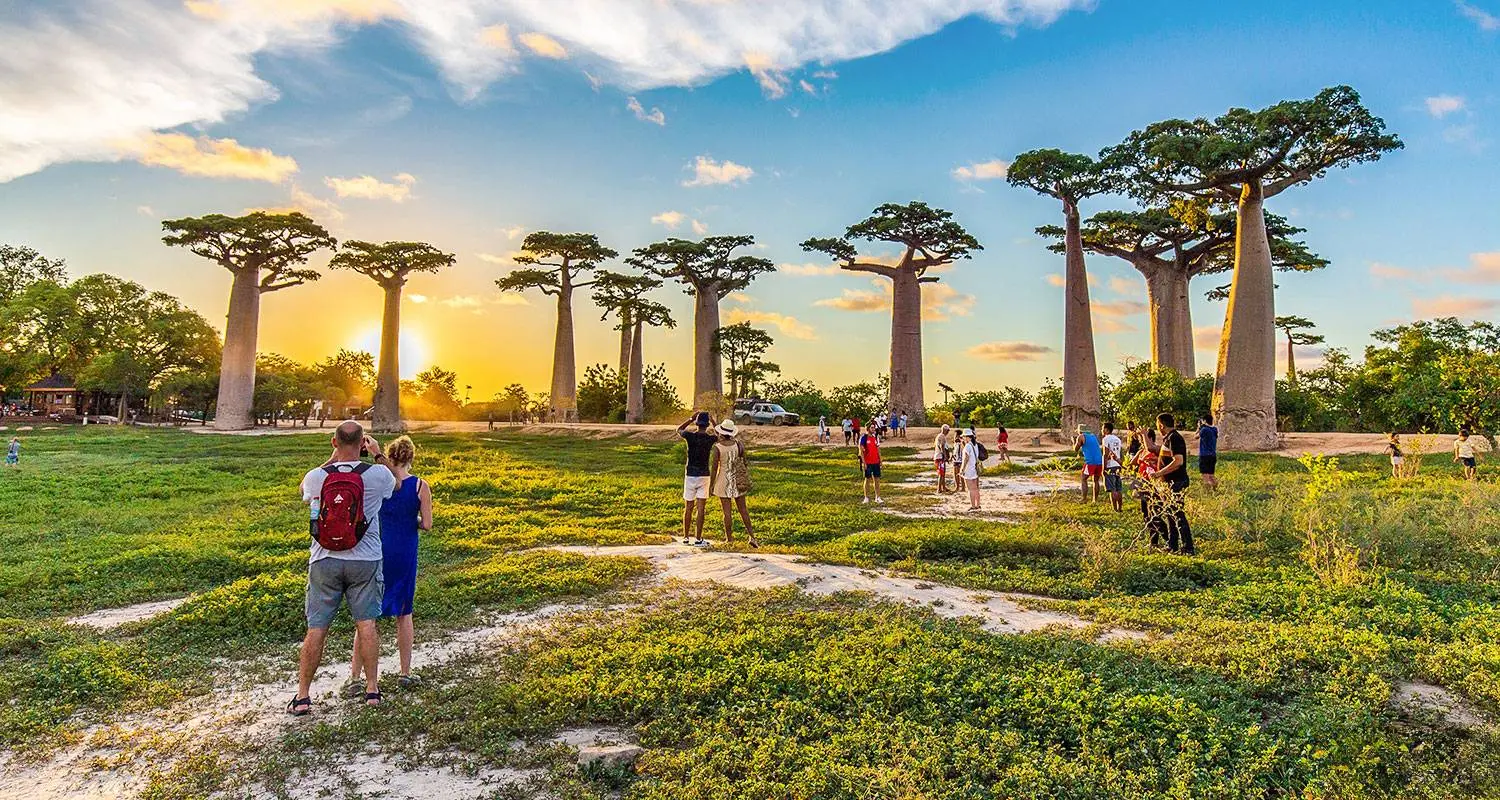
This is a fantastic time to explore the iconic Avenue of the Baobabs. The air is crisp, sunsets are dramatic, and travel conditions improve significantly across the country.

Wildlife spotting becomes easier as animals gather near remaining water sources.

Best for: classic Madagascar highlights, smooth travel logistics.

June

June brings stable dry weather throughout most of the island. Evenings can be cool, especially in higher-altitude areas.

This is a great month for trekking in Isalo National Park, where sandstone canyons, natural pools, and wide-open landscapes are at their most accessible.

Tourism starts picking up, but it’s not overwhelming yet.

Best for: hikers, road trips, national park exploration.

July

July is one of the busiest months — and for good reason.

Dry weather dominates, wildlife viewing is excellent, and humpback whales migrate past Île Sainte-Marie. Whale-watching tours are in full swing, and sightings are common.

Expect higher prices and book well in advance.

Best for: whale watching, families, wildlife lovers.

August

August continues peak dry-season conditions. Lemurs are easier to spot in western forests like Kirindy Forest, and skies remain clear across most regions.

It’s also one of the best months for multi-park itineraries since road access is reliable.

If you don’t mind crowds, August delivers near-perfect conditions.

Best for: comprehensive Madagascar itineraries.

September

September hits a sweet balance between ideal weather and slightly fewer crowds.

Beach conditions improve, especially around Nosy Be, where waters are calm and visibility is excellent for snorkeling and diving.

Temperatures begin to rise again, but humidity remains manageable.

Best for: combining wildlife with beach relaxation.

October

October is hot but excellent.

As water becomes scarcer in the wild, animals gather in visible areas, making wildlife encounters even more rewarding. It’s also a fantastic time to visit Tsingy de Bemaraha National Park, where dry conditions are essential for safely navigating the sharp limestone formations.

Humidity creeps in late in the month, signaling the upcoming rainy season.

Best for: adventurous travelers, dramatic scenery.

November

November marks the start of the wet season again.

Early in the month, conditions can still be manageable, but rainfall gradually increases. This is baby lemur season in some reserves, which adds a special charm to visits.

Tourism drops, and prices soften.

Best for: wildlife enthusiasts who don’t mind occasional rain.

December

December is hot, humid, and increasingly wet — especially toward the end of the month.

It’s popular with holiday travelers despite the weather. Landscapes begin turning green again, and the island feels vibrant and alive.

Expect mixed conditions: sunshine in the morning, downpours in the afternoon.

Best for: holiday escapes with flexible plans.

So, When Should You Go?

If you want the safest, most reliable window:

May to October is your best bet.

If you want fewer crowds but decent weather:

April, May, September, and early October are ideal.

If you’re traveling mainly for whale watching:

July to September is non-negotiable.

If you’re chasing budget deals and don’t mind rain:

January to March offers the lowest prices — but requires flexibility.

“In Madagascar, the calendar doesn’t just mark time — it shapes the adventure.”

Final Thoughts

Madagascar isn’t polished or predictable — and that’s part of its magic. Weather can shape your trip dramatically, especially in remote areas where infrastructure is limited.

Plan according to what matters most to you: wildlife encounters, empty beaches, dramatic landscapes, or smooth logistics.